Supplement Facts vs Nutrition Facts: Key Differences
Compare Supplement Facts vs Nutrition Facts, including which label your product needs, required nutrients, zero-omission rules, botanicals and Daily Values.
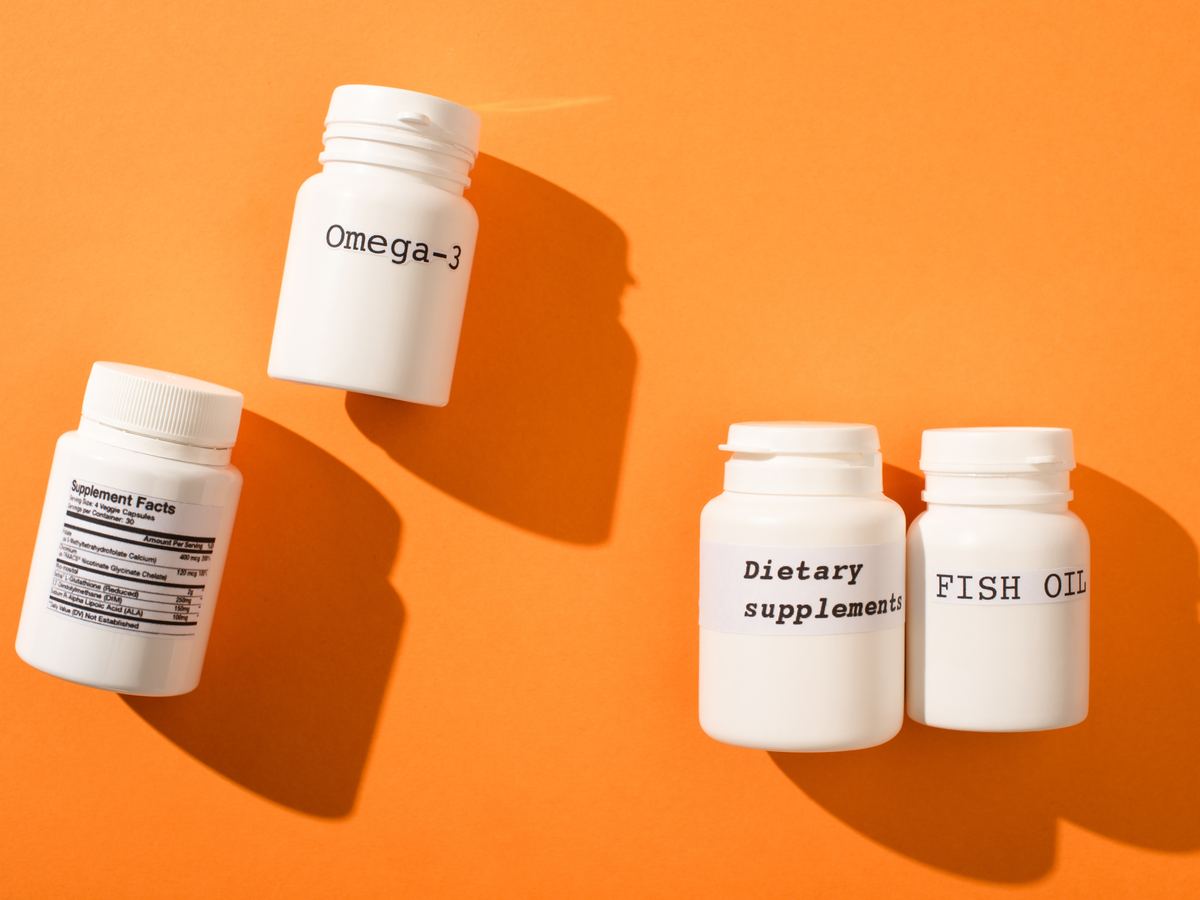
Supplement Facts vs Nutrition Facts are two different, legally distinct label panels. Conventional foods carry a "Nutrition Facts" panel under 21 CFR 101.9, while dietary supplements carry a "Supplement Facts" panel under 21 CFR 101.36. The two look like cousins, but the rules diverge on almost every line: what must be listed, what may be listed, what must be omitted, and how ingredients are named. Using the wrong panel is itself a misbranding issue, so the first question is always which regime your product belongs to.
Supplement Facts vs Nutrition Facts: which panel does your product need?
The Dietary Supplement Health and Education Act of 1994 (DSHEA) defines a dietary supplement as a product intended to supplement the diet, containing dietary ingredients such as vitamins, minerals, herbs and botanicals, amino acids, and similar substances, intended for ingestion in forms like capsules, tablets, softgels, powders, or liquids, and not represented as a conventional food or as the sole item of a meal.
Representation matters. A protein drink marketed as a beverage is a food and needs Nutrition Facts. A similar formula positioned as a supplement, labeled with a "Supplement Facts" panel and a suggested use, falls under 101.36. Borderline formats, including gummies, shots, and powders, are decided by how you present the product, and FDA does police the boundary.

Nutrition Facts vs Supplement Facts: the differences side by side
| Element | Nutrition Facts (101.9) | Supplement Facts (101.36) |
|---|---|---|
| Serving size | Derived from RACC | Set by the suggested use (e.g. "2 capsules") |
| Zero-value nutrients | Core nutrients listed even at 0 | Must be omitted when absent |
| Ingredients without DVs | Not listed in panel | Listed below with "†" (Daily Value not established) |
| Source ingredient in panel | Not permitted | Permitted: "Calcium (as calcium carbonate)" |
| Proprietary blends | Not applicable | Allowed with total blend weight |
| Botanicals | Ordinary ingredients | Plant part and name required |
| Inactive ingredients | In the ingredient statement | "Other ingredients:" list below the panel |
Three Supplement Facts label rules that catch people off guard
1. The zero-omission rule
A food label proudly lists "Trans Fat 0g." A supplement panel may not. Nutrients present at zero, or below the declarable threshold, must be left off entirely.
A vitamin C gummy does not list fat, sodium, or protein unless they are actually present in declarable amounts, calories included.
2. The dagger footnote
Dietary ingredients without an established Daily Value, including botanicals, CoQ10, probiotics, and most amino acids, appear below the vitamin/mineral section with a "†" symbol keyed to the footnote "Daily Value not established."
This section is also where proprietary blends live, declared with a total blend weight and components in descending order.
3. Botanical identity
Botanicals must identify the part of the plant used, such as root, leaf, or seed, and, where the common name is not standardized, the Latin binomial: "Ashwagandha (Withania somnifera) root extract." This is a frequent 483 observation in FDA supplement inspections.
Order matters too. 101.36 prescribes the sequence: the "(b)(2)" nutrients with established Daily Values come first, in the same order as a food label, under the "Amount Per Serving" heading. Dietary ingredients without DVs follow in their own section, and proprietary blends sit within that second group. Freestyling the order is a compliance error even when every number is correct.
What Supplement Facts and Nutrition Facts share
Allergen labeling under FALCPA applies to supplements exactly as it does to foods. A whey protein capsule needs a milk declaration.
Structure/function claims are permitted on supplements with the mandatory DSHEA disclaimer ("This statement has not been evaluated by the Food and Drug Administration…"), while disease claims are prohibited for both categories.
Both panels also use age-group DV tables: adult, children under 4, infants, and pregnant/lactating. See the infant panel guide and adult DV table. Certain products also require warning statements, covered in supplement warnings.
Building either label panel
The NFL generator renders both panel types, including all Supplement Facts population variants, from the same ingredient data, applying the omission rules, dagger footnotes, and Other Ingredients placement automatically.
More label-type questions are answered in the labels FAQ.
Supplement Facts vs Nutrition Facts frequently asked questions
Can I choose which panel to use?
Not freely. The panel follows the product's legal category, which is determined by its composition and how you represent it. A product marketed as a conventional beverage cannot carry Supplement Facts, and a capsule supplement cannot carry Nutrition Facts.
Do supplements ever declare calories and macronutrients?
Yes, whenever they are present in declarable amounts. A protein powder labeled as a supplement declares calories, fat, carbohydrate, and protein. A mineral tablet with no caloric content omits them entirely under the zero-omission rule.
Do allergen rules apply to supplements?
Yes. FALCPA and the FASTER Act cover dietary supplements. Soy lecithin in a softgel, whey in a protein blend, or wheat-derived ingredients all require a major-allergen declaration, using the same two methods as food labels.
Need a Supplement Facts label that gets the omission rules and daggers right? Build it free in the generator.