FDA Healthy Claim Requirements (2024 Final Rule)
The updated FDA definition of healthy: food group equivalents, the added sugars, sodium and saturated fat limits by category, and the 25 February 2028 compliance date.
The FDA's updated "healthy" claim rule is final. It was published on 27 December 2024 at 89 FR 106064, took effect on 28 April 2025, and any product carrying the word "healthy" must meet the new criteria by the compliance date of 25 February 2028. This page is the full reference for FDA healthy claim requirements: the nine covered words, the two-part test, every criteria table in 21 CFR 101.65(d), the recordkeeping duty, and what changed from 1994.
This is the cluster overview. If you need one number for one product, the claim validator checks the sodium, saturated fat and added sugars limits by category. This page does not cover the proposed front-of-package Nutrition Info box, a separate and unfinalised rulemaking.
Status: final rule, voluntary claim, hard 2028 deadline
The rule is final. "Food Labeling: Nutrient Content Claims; Definition of Term 'Healthy'" was published in the Federal Register on 27 December 2024 at 89 FR 106064, under Docket FDA-2016-D-2335 and RIN 0910-AI13, amending 21 CFR 101.65(d). The proposed version was 87 FR 59168, 29 September 2022. The effective date as published was 25 February 2025; a notice issued that same day pushed it to 28 April 2025 under the regulatory freeze memo.
Using the word is voluntary. Nothing here requires you to say "healthy" about anything. The rule defines what the word means if you choose to use it.
The 2028 date is not voluntary. The compliance date is 25 February 2028, three years from the original effective date, and the delay to April did not move it. From that date, any product bearing "healthy" in a nutritional context must meet the criteria below. You can adopt them today, and many manufacturers have, because relabelling twice costs more than relabelling once.
FDA is resourced to check this. Compliance Program 7321.005 was reissued 24 June 2025, replacing the 2010 version, and instructs investigators on the food group requirements and the three limits.
Which words count as a healthy claim in food labeling
21 CFR 101.65(d)(3) covers "healthy" and its derivatives. The full list: healthy, health, healthful, healthfully, healthfulness, healthier, healthiest, healthily, healthiness. If your packaging uses any of those nine words, you are potentially in scope.
The qualifier matters as much as the list. The rule bites only when the word is an implied nutrient content claim, meaning it appears in a nutritional context and suggests something about the food's nutrient content. A tagline like "a healthy start to your morning" beside the Nutrition Facts panel is squarely that. The same word used about something other than the food's nutrition, healthy soil or a healthy herd, is not what 101.65(d) governs. If you rely on that distinction, write the reasoning down and keep it with your label file.
FDA healthy claim requirements: the two-part test
The new FDA healthy definition is structurally different from the old one. Every non-exempt product passes two gates at once:
- Food group equivalent minimum. The product must contain a set minimum amount of one or more of the food groups recommended by the Dietary Guidelines, measured in food group equivalents (FGE).
- Three nutrient limits. The product must stay at or under caps on added sugars, sodium and saturated fat. All three are stated in the regulation as a percentage of the Daily Value.
Failing either gate ends the analysis. A product with a strong FGE contribution and 300 mg of sodium per serving does not qualify. Neither does one with almost no sodium, sugar or saturated fat that contains nothing from any food group. That second case surprises formulators, and it is the point of the redesign.
One structural detail decides your denominator. For an individual food with a RACC greater than 50 g or greater than 3 tablespoons, the criteria apply per RACC. For a RACC of 50 g or less, or 3 tablespoons or less, they apply per 50 g. Confirm yours with the RACC lookup first; the wrong reference amount invalidates every number that follows.
Foods that skip the test entirely
Two groups qualify automatically under 101.65(d)(3)(i) and (vi):
- Any individual food or mixed product made only of one or more of the following, with no added ingredients except water: vegetables; fruit; whole grains; fat-free or low-fat dairy; lean meat, seafood, eggs, beans, peas, lentils, nuts or seeds. Fresh, frozen, canned and dried forms count.
- All water, tea and coffee with less than 5 calories per RACC and per labeled serving.
FDA's examples include water, avocados, nuts and seeds, higher-fat fish such as salmon, olive oil, certain peanut butters and certain canned produce. The edge cases turn on the "no added ingredients except water" condition, which is stricter than it reads on first pass. A canned vegetable with added salt is not an automatic qualifier; it must pass the vegetable product row instead.
Food group equivalents: the table from 101.65(d)(2)
This is Table 1 of the regulation. One FGE is defined per food group, and these are the units every criteria table below counts in.
| Food group | One FGE | Examples given in the rule |
|---|---|---|
| Vegetable | 1/2 cup equivalent | 1/2 cup cooked green beans; 1 cup raw spinach |
| Fruit | 1/2 cup equivalent | 1/2 cup strawberries; 1/2 cup 100% orange juice; 1/4 cup raisins |
| Grains | 3/4 oz equivalent whole grain | 1 slice bread; 1/2 cup cooked brown rice |
| Dairy | 2/3 cup equivalent | 2/3 cup fat-free milk; 1 oz nonfat cheese |
| Protein foods: game meat | 1 1/2 oz equivalent | 1 1/2 oz venison |
| Protein foods: seafood | 1 oz equivalent | 1 oz tuna |
| Protein foods: egg | 1 oz equivalent | 1 large egg |
| Protein foods: beans, peas, lentils | 1 oz equivalent | 1/4 cup black beans |
| Protein foods: nuts, seeds, soy products | 1 oz equivalent | 1/2 oz walnuts |
The dairy figure moved during rulemaking: FDA proposed 3/4 cup equivalent and finalised 2/3, a small but useful loosening. One ounce of natural cheese, or 2/3 ounce of processed, also counts as 2/3 cup-eq.
Individual foods: the criteria table from 101.65(d)(3)(ii)
This is the table most manufacturers need. The regulation states each limit as a percentage of the Daily Value; the gram and milligram figures in brackets are those percentages applied to the adult Daily Values of 50 g added sugars, 2,300 mg sodium and 20 g saturated fat.
| Category | Must contain at least | Added sugars max | Sodium max | Saturated fat max |
|---|---|---|---|---|
| Vegetable product | 1/2 cup-eq vegetable | 2% DV (1 g) | 10% DV (230 mg) | 5% DV (1 g) |
| Fruit product | 1/2 cup-eq fruit | 2% DV (1 g) | 10% DV (230 mg) | 5% DV (1 g) |
| Grain product | 3/4 oz-eq whole grain | 10% DV (5 g) | 10% DV (230 mg) | 5% DV (1 g) |
| Dairy product | 2/3 cup-eq dairy | 5% DV (2.5 g) | 10% DV (230 mg) | 10% DV (2 g) |
| Game meats | 1 1/2 oz-eq | 2% DV (1 g) | 10% DV (230 mg) | 10% DV (2 g) |
| Seafood | 1 oz-eq | 2% DV (1 g) | 10% DV (230 mg) | 5% DV (1 g), excluding saturated fat inherent in seafood |
| Egg | 1 oz-eq | 2% DV (1 g) | 10% DV (230 mg) | 10% DV (2 g) |
| Beans, peas, lentils | 1 oz-eq | 2% DV (1 g) | 10% DV (230 mg) | 5% DV (1 g) |
| Nuts, seeds, soy products | 1 oz-eq | 2% DV (1 g) | 10% DV (230 mg) | 5% DV (1 g), excluding saturated fat inherent in nuts, seeds, soybeans |
| 100% oil | n/a | 0% DV | 0% DV | 20% of total fat |
| Oil-based spread (fats solely from oil) | n/a | 0% DV | 10% DV (230 mg) | 20% of total fat |
| Oil-based dressing (at least 30% oil, oils meet oil criteria) | n/a | 2% DV (1 g) | 10% DV (230 mg) | 20% of total fat |
Two exclusions do real work. Saturated fat inherent in seafood is not counted against the seafood limit, nor is saturated fat inherent in nuts, seeds and soybeans against theirs. Without those carve-outs, salmon and almonds would fail on saturated fat alone. Work from your own category row; the limits are not interchangeable between rows.
The 2 g versus 1 g saturated fat discrepancy
There is a real inconsistency here, worth knowing before someone else points it out. FDA's consumer-facing page summarises the individual-food criteria as 2.5 g added sugars, 230 mg sodium and 2 g saturated fat. The CFR tables do not say that. They set saturated fat at 5% DV (1 g) for vegetable, fruit, grain, seafood, bean, nut and seed products, and 10% DV (2 g) only for dairy, game meats and eggs. The added sugars figure is compressed the same way: 2.5 g is the dairy row, while most categories sit at 2% DV (1 g) and grain products at 10% DV (5 g).
The consumer page is a plain-language summary, not the regulation. Use the CFR tables above. Formulate a vegetable product to 2 g of saturated fat because a summary page said so and you have built a product that fails 101.65(d)(3)(ii).
Mixed products, main dishes and meals
Composite foods get their own tables, with larger FGE requirements and larger allowances. Mixed products are assessed per RACC; main dishes and meals per labeled serving, per 101.13(m) and 101.13(l).
| Type | Must contain | Added sugars max | Sodium max | Saturated fat max |
|---|---|---|---|---|
| Mixed product (per RACC) | 1 total FGE, with at least 1/4 FGE from each of at least 2 food groups | 10% DV (5 g) | 15% DV (345 mg) | 10% DV (2 g) |
| Main dish (per labeled serving) | 2 total FGE, with at least 1/2 FGE from each of at least 2 food groups | 15% DV (7.5 g) | 20% DV (460 mg) | 15% DV (3 g) |
| Meal product (per labeled serving) | 3 total FGE, with at least 1/2 FGE from each of at least 3 food groups | 20% DV (10 g) | 30% DV (690 mg) | 20% DV (4 g) |
For all three composite categories, saturated fat inherent in seafood, nuts, seeds and soy is excluded, the same carve-out as for individual foods. Sodium is where most frozen entrees die: 460 mg per serving for a main dish is tighter than many current formulations, and 690 mg for a full meal tighter still.
What changed from the 1994 definition
The 1994 rule, 59 FR 24232 of 10 May 1994, was nutrient-centric. It limited total fat, saturated fat, cholesterol and sodium, and required at least 10% DV of one "nutrient to encourage": vitamin A, vitamin C, calcium, iron, protein or dietary fiber. Separate criteria applied to seafood, game meat, and raw fruits and vegetables.
| Element | 1994 rule | 2024 rule |
|---|---|---|
| Positive requirement | 10% DV of one nutrient to encourage | A food group equivalent minimum |
| Total fat limit | Yes | Dropped |
| Cholesterol limit | Yes | Dropped |
| Added sugars limit | None | Yes, 2% to 20% DV by category |
| Sodium, individual foods | 480 mg per RACC | 10% DV, currently 230 mg |
| Sodium, meals and main dishes | 600 mg | 460 mg main dish, 690 mg meal |
| Inherent saturated fat | Counted | Excluded for seafood, nuts, seeds, soy |
| Automatic qualifiers | None | Whole foods, water, tea, coffee |
The consequence runs in two directions. Nutrient-dense but higher-fat foods now qualify: salmon, nuts, olive oil and avocados were effectively locked out by the 1994 total fat limit and are in under the new rule. Products that passed 1994 by fortification, or by riding a single nutrient, generally do not survive: fortified white bread, highly sweetened yogurt and highly sweetened cereal are FDA's own examples. The sodium cut alone, 480 mg down to roughly 230 mg per RACC, disqualifies many savoury products that were compliant for thirty years.
Recordkeeping, and the symbol that does not exist yet
21 CFR 101.65(d)(4) adds an obligation with no equivalent in the 1994 rule. If you bear the claim, keep written records verifying food group equivalent content: recipes, formulations, database analyses, batch records. Hold them at least two years after the food enters interstate commerce, and produce them for FDA on request during inspection.
Two exceptions: no separate records are needed if the FGE content is evident from the label itself, for example the ingredient list, or if the food is an automatic qualifier. Everything else needs a file, built when you formulate rather than when the investigator arrives.
On the symbol: as of September 2026 there is no official FDA "healthy" symbol. FDA has said it is continuing to explore developing one, has run consumer research, and listed a potential guidance identifying such a symbol among its 2026 Human Foods Program deliverables. Any symbol would be voluntary, not a requirement. FDA also added a draft guidance, "Questions and Answers Regarding Use of the 'Healthy' Claim," to its 2026 guidance agenda on 29 June 2026; it had not been issued as of 15 September 2026. Treat any "FDA healthy symbol" artwork a designer offers you as invented until FDA publishes one.
Test the claim against real numbers: run the product through the claim validator for a category-by-category check, then build the panel those figures come from with the Nutrition Facts label generator.
Frequently asked questions
Do I have to change my label if I do not use the word "healthy"?
No. This rule only defines a voluntary claim. If none of the nine covered words appears on your label in a nutritional context, 101.65(d) does not apply and there is nothing to do. Your obligations under 21 CFR 101.9 are unaffected.
Can I use the new criteria before February 2028?
Yes. The rule has been effective since 28 April 2025, so the new definition is available now. The 25 February 2028 date is when the 1994 criteria stop being acceptable. If you are redesigning packaging before then, qualify against the new criteria so you pay for artwork once.
Which numbers do I use when FDA's website and the CFR disagree?
The CFR. FDA's consumer page compresses the individual-food criteria into one set of figures, 2.5 g added sugars, 230 mg sodium and 2 g saturated fat, which matches the dairy row but not the vegetable, fruit, grain, seafood, bean or nut rows. The binding text is 101.65(d)(3)(ii), reproduced above.
Does a "healthy" claim change what my Nutrition Facts panel has to show?
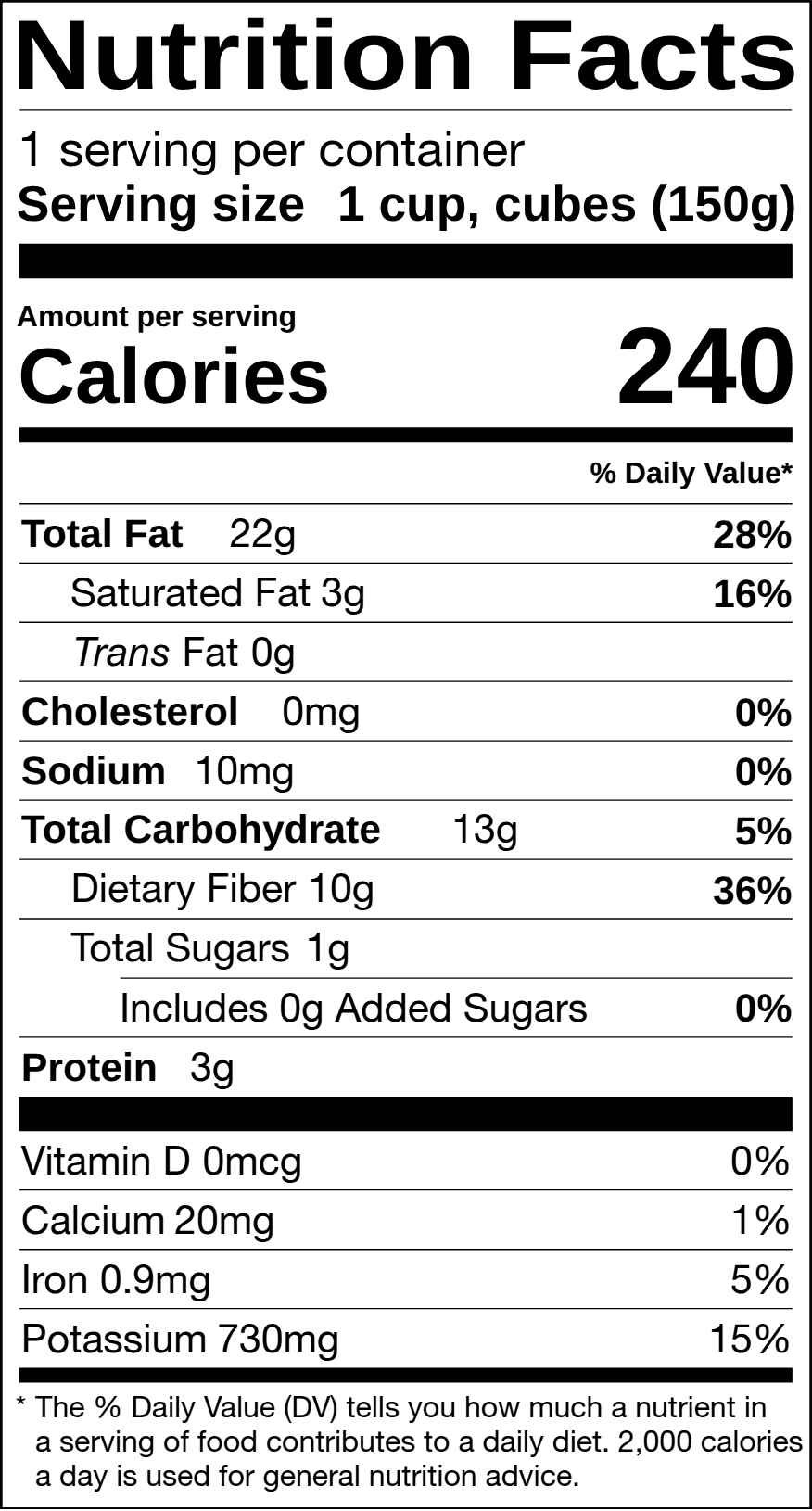
Not directly. The criteria are calculated from values you already declare, so the panel format rules in 21 CFR 101.9 apply as before. What changes is that your declared added sugars, sodium and saturated fat figures become the evidence for or against the claim, so a rounding or serving size error is now a claim problem too. Check both with the label checklist.
My product is a snack bar. Is that an individual food or a mixed product?
It depends on composition, not on the word "bar." If it draws its FGE from a single food group, run it against that category row in the individual foods table. If it contributes at least 1/4 FGE from each of at least two food groups and reaches 1 total FGE per RACC, it is a mixed product and gets the looser 5 g, 345 mg and 2 g limits. Document whichever framing you pick for your 101.65(d)(4) file.