Natasha's Law: PPDS Label Requirements for 2026
Natasha's Law requires PPDS foods to show the food name, full ingredient list and 14 allergens. Learn the UK PPDS labelling requirements for 2026.
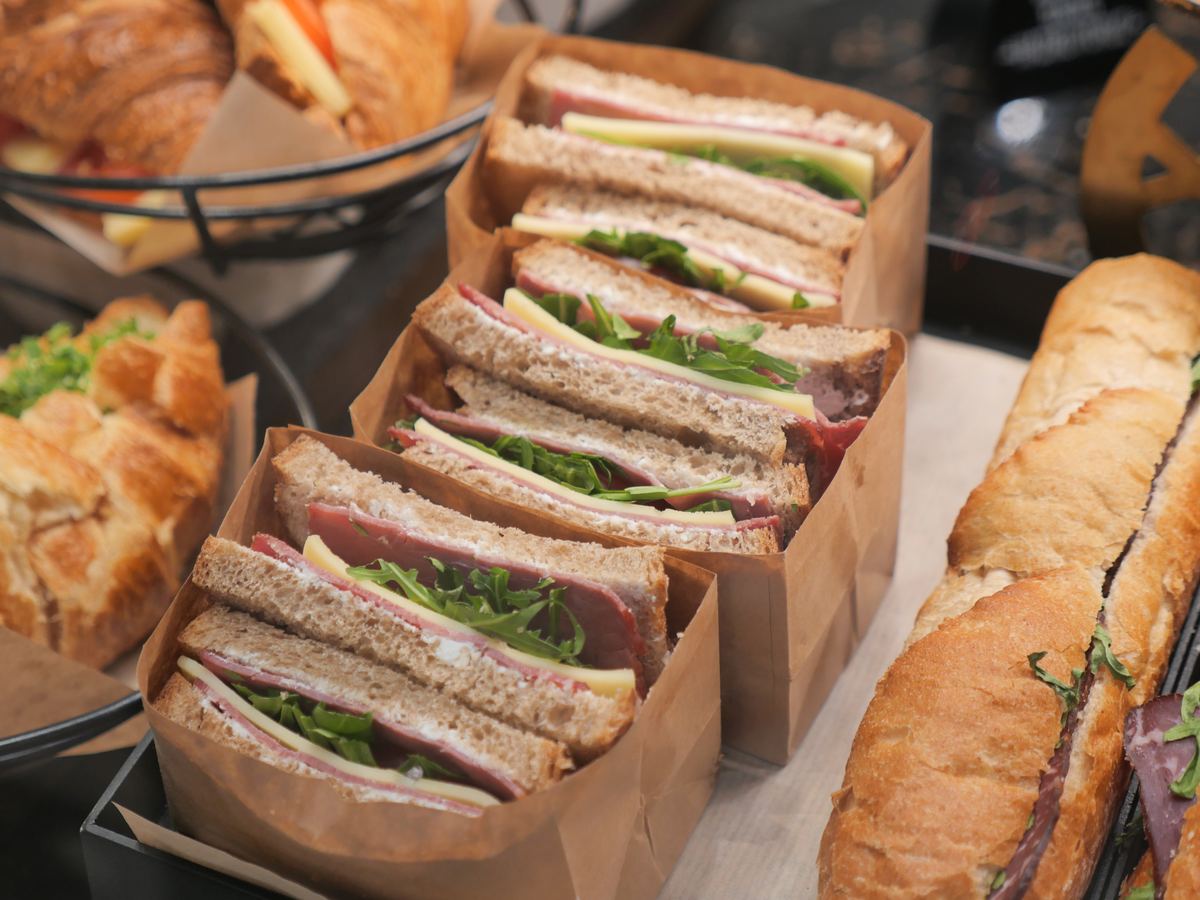
Natasha's Law requires any food that is prepacked for direct sale (PPDS) in the UK to carry a label with the food's name and a full ingredient list with the 14 regulated allergens emphasised within it. The requirement has applied since 1 October 2021 under the Food Information (Amendment) Regulations 2019, moving allergen labelling from "ask a member of staff" to the label itself for cafés, bakeries, delis, butchers, market stalls and food-to-go businesses that never thought of themselves as label printers. This guide covers who it applies to, exactly what the label must show, the mistakes enforcement officers actually find, and how to produce compliant PPDS labels without a design department.
What counts as PPDS food under Natasha's Law
Food is PPDS when it is packed before the customer orders it, on the same premises, same site, or from a mobile unit operated by the same business where it is sold. The packing-before-order test is the whole law.
A sandwich made and wrapped in the morning for the lunch fridge is PPDS. The same sandwich made after the customer asks for it is not PPDS. It is "non-prepacked," and allergen information can still be given by other means, including orally.
- PPDS (label required): pre-wrapped sandwiches, salad boxes and sushi made on site; bakery items placed in packaging before sale; pies a butcher packs in advance; foods packaged and taken to a market stall or food truck by the business selling them.
- Not PPDS: food packed at the customer's request; food served loose (deli counters, unwrapped bakery items); distance sales such as delivery apps (different information rules apply); and food packed by one business but sold by another. That is standard prepacked food, which needs full labelling including a nutrition declaration.
That last distinction matters. If you wholesale your packed products to another café or shop, you have left PPDS territory entirely and need a full back-of-pack label. See the UK food labelling software page for what that involves.
What Natasha's Law labels must show
- The name of the food, using the legal or customary name, not just a brand name ("chicken and bacon sandwich", not "The Big One").
- A full ingredient list, in descending weight order, exactly as for any prepacked food.
- The 14 allergens emphasised inside that list. Bold is the usual choice; italics, underline, capitals or a contrasting colour also satisfy the rule. A separate "Contains:" box does not replace emphasis within the list.
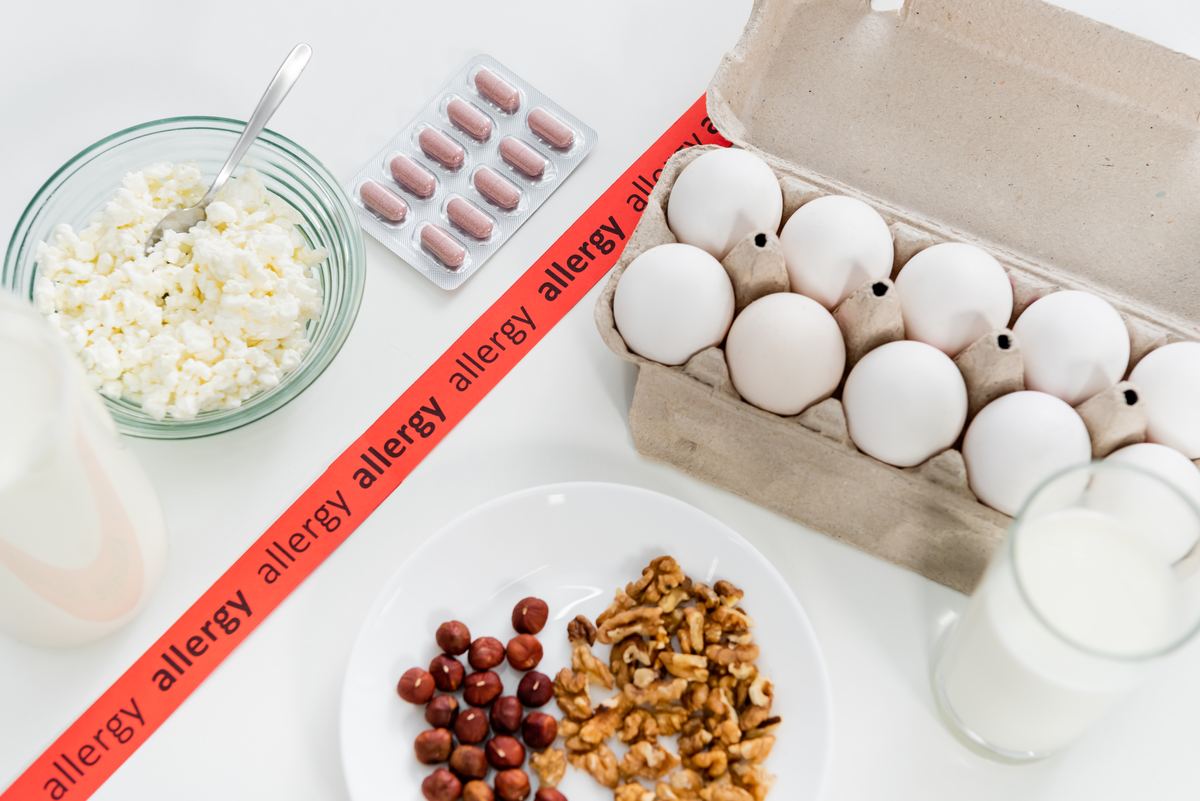
The 14 allergens the UK and EU regulate are celery, cereals containing gluten (wheat, rye, barley, oats), crustaceans, eggs, fish, lupin, milk, molluscs, mustard, peanuts, sesame, soybeans, sulphur dioxide/sulphites (above 10 mg/kg or 10 mg/L) and tree nuts (almond, hazelnut, walnut, cashew, pecan, Brazil, pistachio, macadamia).
The cereal and nut groups must name the specific grain or nut, such as "flour (wheat)", not just "gluten".
Nutrition information is not required on PPDS labels. The nutrition declaration obligation applies to standard prepacked food. Many producers add a simple panel anyway because retail buyers ask for it. The UK back-of-pack format shows what that looks like when you are ready.
PPDS labelling mistakes that actually get flagged
- Emphasising a "Contains" summary instead of the list. The law requires emphasis within the ingredient list. A bold summary box on its own is non-compliant.
- Missing carry-over allergens in compound ingredients. The mayonnaise in your coronation chicken brings egg and possibly mustard; the naan brings wheat and milk. Every sub-ingredient's allergens must surface in your list.
- Generic names hiding named allergens. "Vegetable oil" is fine; "flour" is not. The grain must be named if it contains gluten.
- Stale labels after a recipe or supplier change. A new pesto supplier who adds cashew turns yesterday's compliant label into today's unsafe one. Re-check labels on every ingredient change, not on a schedule.
- Sulphites nobody logged. Dried fruit, wine vinegar and some sausage ingredients carry sulphites above the 10 mg/kg threshold more often than kitchens expect.
Paste any ingredient list into the free allergen detector and it will flag all 14 UK allergen groups, including the carry-over cases above.
Enforcement and the cost of getting Natasha's Law wrong
Local authority environmental health and trading standards officers enforce the rule. In practice enforcement starts with an improvement notice. Failure to comply is a criminal offence with fines, and a mislabelled allergen that harms someone exposes the business to prosecution under general food safety law.
The reputational mathematics are worse than the legal ones. The law is named after Natasha Ednan-Laperouse, who died in 2016 after eating a baguette with undeclared sesame baked into the dough, and the businesses that get this wrong are named in the same news cycle.
Producing Natasha's Law labels without a design department
A compliant PPDS label is an ingredient statement with correct emphasis, printed legibly. The workflow that scales is straightforward: keep each product as a recipe, let the software order ingredients by weight and bold the allergens automatically, and print.
The NFL label generator does exactly this. Enter the recipe once, and the ingredient statement renders in descending weight order with all 14 UK allergens emphasised, updating itself whenever the recipe changes.
When you outgrow PPDS into retail packs, the same recipe already feeds the UK nutrition declaration and front-of-pack traffic lights.
Natasha's Law frequently asked questions
Does Natasha's Law apply to food sold online or delivered?
No. PPDS requires sale on the same premises where the food was packed. Distance selling has its own information rules: allergen information must be available before purchase on the listing and at delivery.
Do I need nutrition information on a PPDS label?
No. PPDS labels need the name, ingredient list and allergen emphasis. The nutrition declaration is a prepacked-food requirement under assimilated Regulation 1169/2011.
Is bold the only acceptable way to emphasise allergens?
No. Any typeset distinction works: bold, italics, underlining, capitals or contrasting colour. Bold is the convention because it survives photocopying and thermal printing best.
Build your PPDS label now: enter the recipe in the free label generator and the allergen-emphasised ingredient statement writes itself.