Cost Per Serving Calculator for Food Businesses
Use a cost per serving calculator to price food accurately. Include ingredients, packaging, labor, overhead, waste and process yield in your costs.
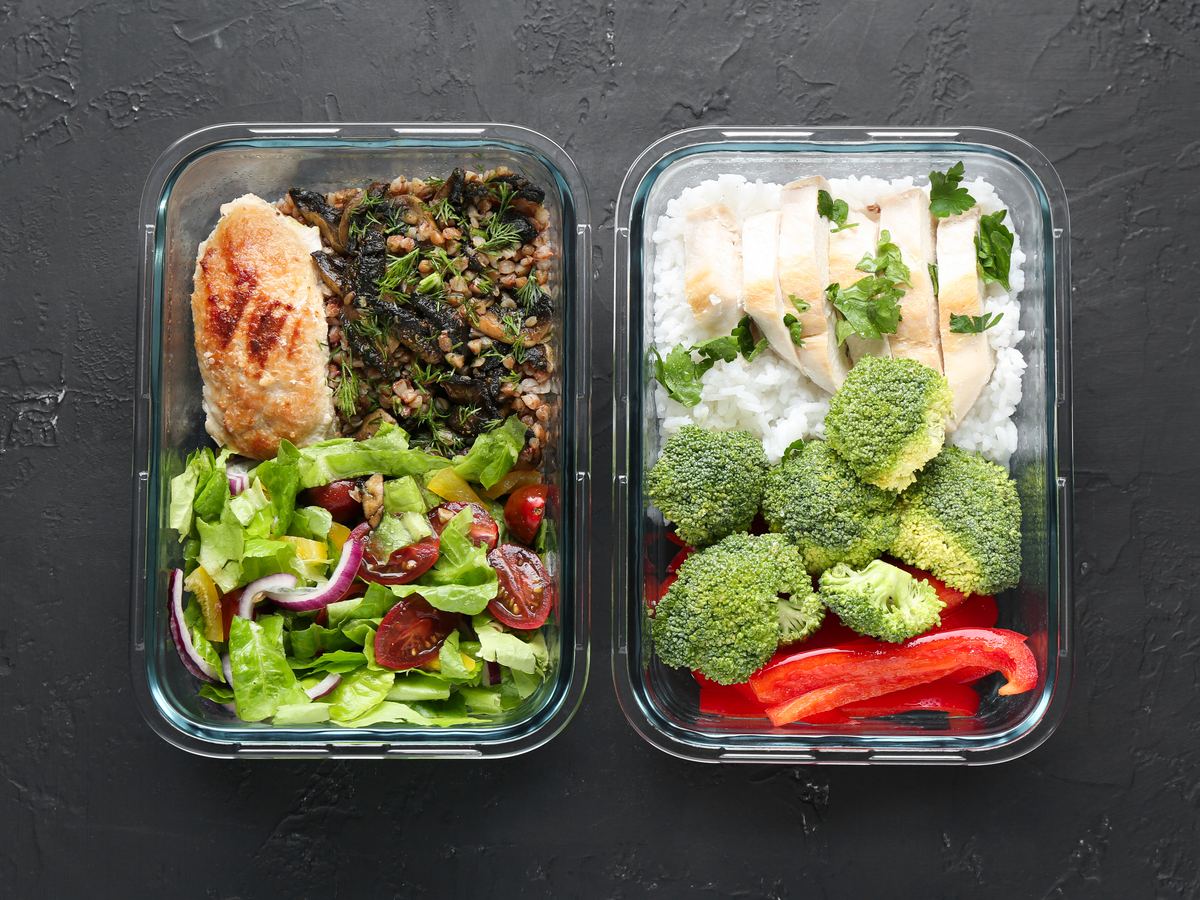
A cost per serving calculator shows what each serving actually costs to produce: (ingredient cost + packaging + direct labor + allocated overhead) divided by servings per batch. This number sits underneath your entire pricing model. Get it wrong by 15% and a product that appears profitable can quietly lose money at wholesale, often after you have signed a distributor agreement you cannot easily reprice.
This guide explains each part of the calculation, the waste and yield adjustments many founders miss, and a worked example you can apply to your own food products.
Cost per serving calculator: the four components
A useful cost per serving calculation includes four cost categories, not ingredients alone.
- Ingredient cost. Calculate each ingredient's cost per gram by dividing its purchase price by the purchased grams. Multiply that figure by the grams used in your batch, then add the ingredient costs together. Always use current supplier prices rather than the prices you paid when the product launched.
- Packaging. Include everything the finished unit ships in: pouch or jar, lid, label stock, printing, case box amortized per unit, and even the tamper band. Packaging is usually the second-largest component and one of the costs most commonly forgotten.
- Direct labor. Calculate (hours required to produce the batch × fully loaded hourly rate) ÷ servings. Include payroll taxes and benefits in the hourly rate. Production time should also include cleanup rather than only the time spent making the product.
- Allocated overhead. Assign rent, utilities, insurance and equipment depreciation to each batch. One simple method is monthly overhead ÷ monthly batches.

Food cost per serving must account for waste and yield
Two adjustments separate an accurate food cost per serving from wishful costing: ingredient waste and process yield.
Ingredient waste. Suppose onions lose 12% through peeling and trimming. The cost of usable onion is the purchase price divided by 0.88. Apply the appropriate waste percentage to each ingredient at the point of use. Trim rates can differ by supplier and season.
Process yield. Baking, roasting and reduction reduce the finished mass of a batch, but the costs do not disappear with the water. If a batch enters the oven at 10 kg and comes out at 8.8 kg, all of its costs are concentrated into 88% of the original mass.
Process yield also affects your nutrition calculations, which is why the same yield information can drive both costing and nutrition labels in our recipe system.
Worked cost per serving example: a granola bar batch
| Component | Batch cost |
|---|---|
| Ingredients (waste-adjusted) | $52.40 |
| Packaging (120 wrappers + labels + caddies) | $21.60 |
| Labor (2.5 hr × $22 loaded) | $55.00 |
| Overhead allocation | $18.00 |
| Total ÷ 120 bars | $147.00 → $1.23 per bar |
In this example, the landed cost is $1.23. At a $3.99 retail price sold through a distributor-retailer chain, with each taking its margin, the remaining profit is thinner than many founders expect.
That is why you should calculate cost per serving before committing to packaging formats and a channel strategy.
Scaling the batch also changes the result. Ingredients scale roughly linearly, while labor and overhead per unit can fall as volume increases. Our recipe scaling guide covers which costs scale and which do not.
Keep your cost per serving calculation live
Ingredient costs change constantly because of commodity swings, supplier changes and freight surcharges. A cost model calculated once a year can become a fiction by month three.
The solution is structural:
- Store the cost per purchase unit for every ingredient.
- Record new prices as supplier invoices arrive.
- Let every recipe's cost per serving recalculate when ingredient costs change.
The recipe manager does this with cost history for each ingredient, as explained in our cost tracking article. Inventory connects purchases to actual lots so your calculations reflect what you really paid. Practical questions about managing recipes are covered in the recipes FAQ.
From cost per serving to selling price
Once you know your cost per serving, work backward from the shelf price.
Typical food retail margins mean your wholesale price is roughly half of retail, and your cost per serving should generally sit at or below a third of wholesale to leave room for trade spend, spoilage and growth.
If the numbers do not work, the main levers are:
- Batch size, which can dilute labor and overhead.
- Packaging format.
- Recipe reformulation.
- Supplier renegotiation.
That is also roughly the order in which you can address them by speed.
Moving production to a co-packer changes the cost structure rather than eliminating it. Tolling fees replace your labor and overhead lines, minimum order quantities lock cash into inventory, and you still need visibility into cost per serving to determine whether the co-packer's quote actually improves your economics.
Enter your recipe once in the free NFL platform and calculate cost per serving, maintain live cost history, and create the nutrition label from the same recipe data.
Cost per serving calculator frequently asked questions
Should I include my own labor in cost per serving if I do not pay myself yet?
Yes. Cost your labor at the rate you would have to pay someone to replace you. A selling price that works only because the founder provides free labor can stop working as soon as you hire someone, increase production volume or move manufacturing to a co-packer.
How is cost per serving different from COGS?
COGS is the accounting total for goods sold during a period, while cost per serving measures the unit economics of an individual recipe. The two should reconcile, but cost per serving is the figure you use when evaluating product pricing, packaging changes and recipe reformulation.
What should I include in a food cost per serving calculation?
Include ingredient costs, packaging, direct labor and allocated overhead. You should also adjust ingredient costs for waste and account for process yield when cooking, baking, roasting or reduction changes the finished batch weight. Leaving out packaging, labor, overhead or yield can make a product appear more profitable than it actually is.
What margin should a packaged food product target?
Rules of thumb vary by sales channel, but many CPG operators target gross margins around 40–50% at wholesale so there is room for trade spend and distribution. Below roughly 30%, most packaged food businesses struggle to scale. Calculate the margin from your complete cost per serving rather than ingredient cost alone.